Premium Aluminium Door Systems for Home Renovations
Sliding Doors: The Optimal Space-Conscious Resolution for Your Dwelling
Sliding doors have become increasingly popular as a practical solution for maximizing space in modern homes. Their capacity to function without swinging into the room makes them perfect for smaller areas. Additionally, they can improve daylight and create a sense of openness. However, selecting the appropriate design and ensuring proper installation can be difficult. Investigating the multiple advantages and choices offered may uncover understanding that could transform any living space.

The Benefits of Sliding Doors in Small Spaces
In minimal residential environments, sliding doors present a practical solution to space constraints. Unlike pivot doors, which require clearance for swinging open, sliding doors slide along a channel, minimizing the zone essential for access. This quality is particularly advantageous in small rooms where every square foot counts.
Moreover, pocket doors can be tailored to fit various aesthetic preferences, enhancing the aesthetic appeal of a space while boosting performance. They can work as room dividers, creating distinct areas without sacrificing openness.
Additionally, pocket doors often are available in various options, view this guide including glass, which can optically enlarge a room by establishing a fluid link with outdoor spaces. This flexibility makes them a ideal choice for urban apartments or tiny homes, where functionality and style are paramount. Overall, sliding doors effectively merge practicality with design, making them a worthwhile addition to any small living area.
How Sliding Doors Improve Light and Air Circulation
Sliding doors play a essential part in maximizing sunlight within a space, permitting sunlight to pour in without blockage. Their design facilitates a smooth passage between areas, creating an spacious and unobstructed atmosphere. This blend boosts both the visual appeal and functionality of indoor environments.
Natural Light Boosting
How can the structure of glass sliding doors transform the movement of sunlight within a room? Sliding doors, often crafted from large glass panels, allow natural light to enter deeper into interiors, producing bright and inviting environments. Unlike traditional doors, their design reduces barriers, facilitating a seamless connection between indoor and outdoor areas. This openness not only improves visibility but also makes spaces feel larger and more spacious. Additionally, strategically positioned sliding doors can maximize light dispersal, decreasing the need for artificial lighting during the day. By illuminating rooms with natural light, these doors promote energy conservation and promote well-being. The visual beauty of sliding doors further enhances this purpose, making them a attractive choice for enhancing light in modern homes.
Effortless Space Movement
What causes sliding door systems an ideal choice for improving the movement across areas? Their design allows for barrier-free passages, creating a seamless bond between rooms. Unlike standard doors, which need space to swing open, sliding door units move along tracks, making them perfect for tighter areas. This functionality encourages a sense of freedom and cohesion within a home.
Furthermore, glass panels often showcase large transparent sections that draw in natural light, further enhancing the openness between spaces. This brightness establishes an airy atmosphere, making even smaller rooms feel more spacious. By merging indoor and outdoor environments, they foster a peaceful bond with nature. Overall, glass doors are a practical solution for increasing space and light, substantially enhancing overall home performance.
Tips for Selecting the Perfect Sliding Door Style?
Selecting the ideal sliding door design can significantly improve both the practicality and aesthetics of a room. When selecting a sliding door, one must take into account the overall design theme of the home. For modern interiors, clean, simple styles with transparent panes can produce an open and airy feel. In contrast, traditional settings may gain from wooden sliding doors, which add warmth and character.
Functionality represents a key aspect; options range from pocket doors, which save space, to bi-fold doors, ideal for wider openings. The material also matters significantly; glass enables natural light, while solid wood delivers privacy and insulation.
Additionally, shade and texture should blend with existing decor to develop a cohesive look. Finally, the door's accessories should align with the selected theme, boosting both practicality and aesthetic quality. By evaluating these factors meticulously, homeowners can select a sliding door that addresses their needs while improving their living environment.
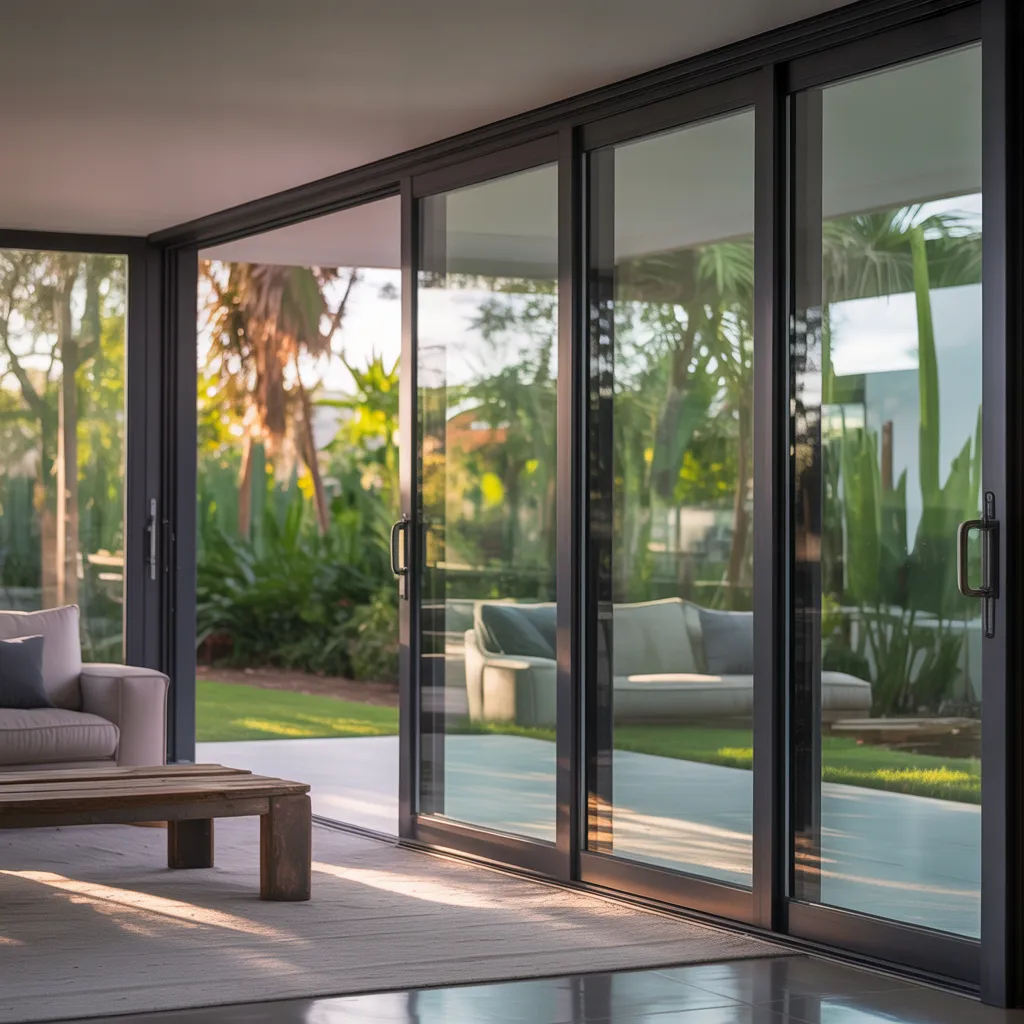
Fundamental Setup Instructions for Sliding Doors
Determining the right sliding door style creates the foundation for a successful installation process. Initially, it is crucial to measure the installation space precisely, confirming that the picked door fits well within the designated area. A even surface is imperative; any unevenness must be corrected to circumvent operational troubles. Assembling the rail system properly is critical, as it supports the door's weight and performance. Respecting the maker's guidelines for installation is vital, as particular designs may have distinct specifications.
Additionally, securing the door frame firmly can enhance stability and elevate performance. Once installed, a last inspection of the door's movement ensures smooth operation. If necessary, adjustments can be made to the wheels or track to achieve proper positioning. Finally, sealing gaps with weatherstripping not only provides insulation but also enhances fuel economy, making sure that the sliding door serves its purpose effectively.
Keeping Your Sliding Doors in Good Condition: Care Tips
Preserving sliding doors is critical for their long-lasting performance and excellent operation. A regular upkeep schedule, combined with inspecting tracks and rollers, confirms smooth performance. Additionally, proper greasing approaches can avoid wear and tear and strengthen functionality.
Develop a reliable housekeeping plan
Establishing a consistent cleaning schedule is crucial for ensuring the longevity and functionality of sliding doors. Dust, dirt, and debris can build up on the surface and within the tracks, potentially obstructing smooth operation. Ideally, sliding doors should be cleaned at least once a month. This routine should involve wiping down the glass panels with a suitable glass cleaner, which helps maintain transparency and aesthetic appeal. Additionally, the frames should be cleaned to prevent buildup. Using a vacuum with a brush attachment can efficiently remove debris from the tracks. Regular maintenance not only improves the appearance of sliding doors but also prevents long-term damage, ensuring that they continue to operate seamlessly throughout the years.
Inspecting Tracks And Rollers
Inspecting rails and wheels is an crucial step in the maintenance of sliding doors. Regular inspections help detect wear and tear, ensuring seamless operation and prolonging the lifespan of the doors. Homeowners should check for debris, dirt, or obstructions that may block movement. Additionally, examining the rollers for faults or misalignment is critical, as these issues can cause operational difficulties. It is important to look for signs of rust or corrosion, which can damage functionality. Ensuring that tracks are level and free from imperfections is key for proper alignment. By conducting these inspections routinely, homeowners can preserve the performance of their sliding doors and prevent costly repairs, ensuring a smooth experience in their living spaces.
Lubricating Techniques And Tips
After confirming the tracks and rollers are in proper condition, adequate lubrication is vital for the ideal functioning of sliding doors. Regularly using lubricant prevents wear and tear, ensuring smooth operation. A silicone-based spray is recommended, as it repels dirt and dust while reducing friction. Users should put the lubricant straight on the tracks and rollers, removing any excess to prevent attracting debris. It is advisable to lubricate sliding doors every six months, or more frequently in high-traffic areas. Additionally, checking for rust or corrosion on metal components is important; if found, a rust remover should be used before reapplying lubricant. Routine maintenance not only enhances performance but also extends the lifespan of sliding doors.
Imaginative Creative Solutions Featuring Sliding Doors
Although sliding panels are often seen as functional elements, they can also serve as eye-catching stylistic details in any space. Designers increasingly incorporate them in innovative ways, enhancing both appearance and functionality. For instance, frosted glass sliding doors can create a modern, airy feel while maintaining privacy. In smaller homes, mirrored surfaces on sliding doors can visually expand the space, reflecting light and adding depth.
A different original technique involves employing sliding barn doors, which can inject rustic charm into contemporary interiors. These doors frequently display unique hardware, commanding notice and functioning as conversation starters. Moreover, homeowners can adapt sliding doors with bold colors or intricate patterns, creating them focal points in open-plan designs.
Placing built-in shelving or decorative frames throughout sliding doors can additionally amplify their aesthetic impact, naturally uniting functionality with artistic expression. Ultimately, gliding doors offer endless possibilities for innovative styling.
Do Sliding Glass Doors Provide Good Value for the Expense?
Are glass sliding doors a valuable purchase for property owners? The answer largely relies on personal requirements and circumstances. Sliding doors can enhance space efficiency, especially in compact homes. Their design allows for unobstructed access and a seamless shift between indoor and outdoor areas, which can be particularly appealing in warmer climates.
Additionally, glass doors can boost natural light, producing a brighter living environment. However, the upfront expense can be substantial, often higher than standard doors due to their construction and installation requirements. Homeowners must also take into account long-term maintenance; sliding tracks may require regular cleaning and occasional repairs.
In the end, the importance of sliding doors is dependent on individual taste. For those valuing aesthetics, space-saving solutions, and improved access, the investment may prove worthwhile. Conversely, homeowners with less focus on these aspects might find traditional doors more fitting for their needs.
Frequently Requested Questions
Is It Feasible to Use Sliding Doors in Non-Traditional Locations?
Yes, sliding doors can be utilized in non-traditional locations, such as closets, space separators, or even as barriers in open spaces. Their flexibility enables creative design solutions in various architectural settings.
What Materials Are Ideal for Sliding Door Systems?
Wood, glass, and metal represent the finest choices for sliding doors. Wood delivers warmth and durability, glass offers elegance and transparency, while metal provides strength and modern appeal, catering to various design preferences and functional needs.
How Do Sliding Doors Affect the Resale Value of Your Home?
Sliding doors may boost home market value by enhancing aesthetics, improving space efficiency, and providing easy access to outdoor areas. Their modern appeal often attracts buyers, increasing property appeal in tough housing markets.
Are Sliding Doors Function as Energy-Efficient Options for Current Residences?
Sliding doors provide thermal performance when supplied with double or triple glazing and suitable seals. Their construction facilitates ambient lighting while curtailing drafts, supporting decreased heating and cooling expenses in homes.
Is it feasible for me to put in sliding doors without help?
Yes, bypass sliding doors can be installed by people with elementary hands-on experience. However, accurate measurements, tools, and close attention to detail are important for a successful installation. Examining instructions or seeking expert help may also be valuable.